August 15, 2026 · 5 min read
IP Intercom, Smart Lock and Cameras: Modern Home Security
How an IP intercom, smart lock and cameras work together. What to ask the developer — and why a car-free courtyard is part of the system, not a brochure image.
A heavy door and bars no longer close the security conversation. What matters is the chain: who entered the courtyard, who rang at the lobby, who opened the apartment — and whether you can see it from your smartphone. Below — how an IP intercom, a smart lock and video surveillance work, and which questions to ask the developer. The piece is useful even if you are choosing a home outside Ekibastuz: the logic is the same; only the plaques on the façade change.
Security is layers, not a single gadget
Talk of smart home security is often reduced to an icon on a phone. That is a mistake. The app is only the interface. What protects you is the perimeter. Outside — a gated courtyard, entry control, cameras. In the lobby — an IP intercom and restricted access for outsiders. In the apartment — a smart lock with an opening log and temporary codes. If one layer fails, the others still hold the line.
Judge any home by this principle. Not “there are cameras,” but where they stand, who reviews the archive and whether a resident has live access. Not “a smart lock in the presentation,” but what happens if the battery dies, and how you revoke access from a former tenant. The line “we’ll connect it after move-in” almost always means there is no perimeter.
IP intercom: see the guest before the door opens
A conventional intercom carries voice. An IP intercom gives you a picture, a call history and control from the phone. You do not open the door “by ear” and you do not run to the handset from the kitchen. If you are not at home, the call comes to your smartphone: you can speak, let a courier in, or not open at all. For a family with children and for those who let an apartment, the degree of calm differs; the mechanics are the same.
It is worth checking on site, not in the brochure:
- whether there is video from the call panel, not sound alone;
- whether smartphone access works when you are away from home;
- whether the panel is linked to the lobby lock and courtyard cameras;
- who keeps the resident account and how quickly access is changed on a sale or a let;
- whether a guest’s face is visible in the evening, not only by day against the sun.
An intercom code that lives for years in the lobby chat devalues any panel. A proper scheme is personal access, reissued when the resident changes — not a shared “secret” known to half the building.
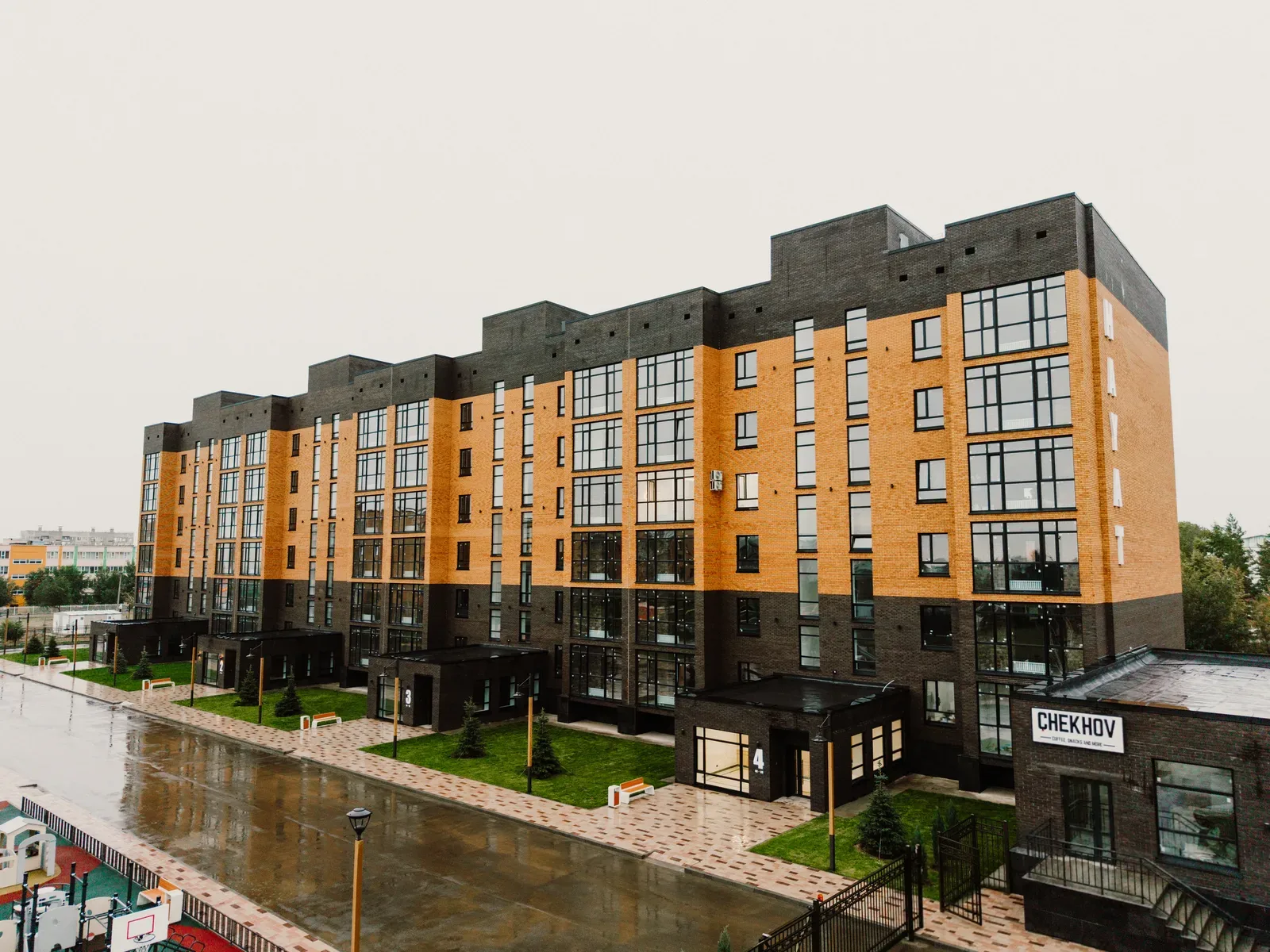
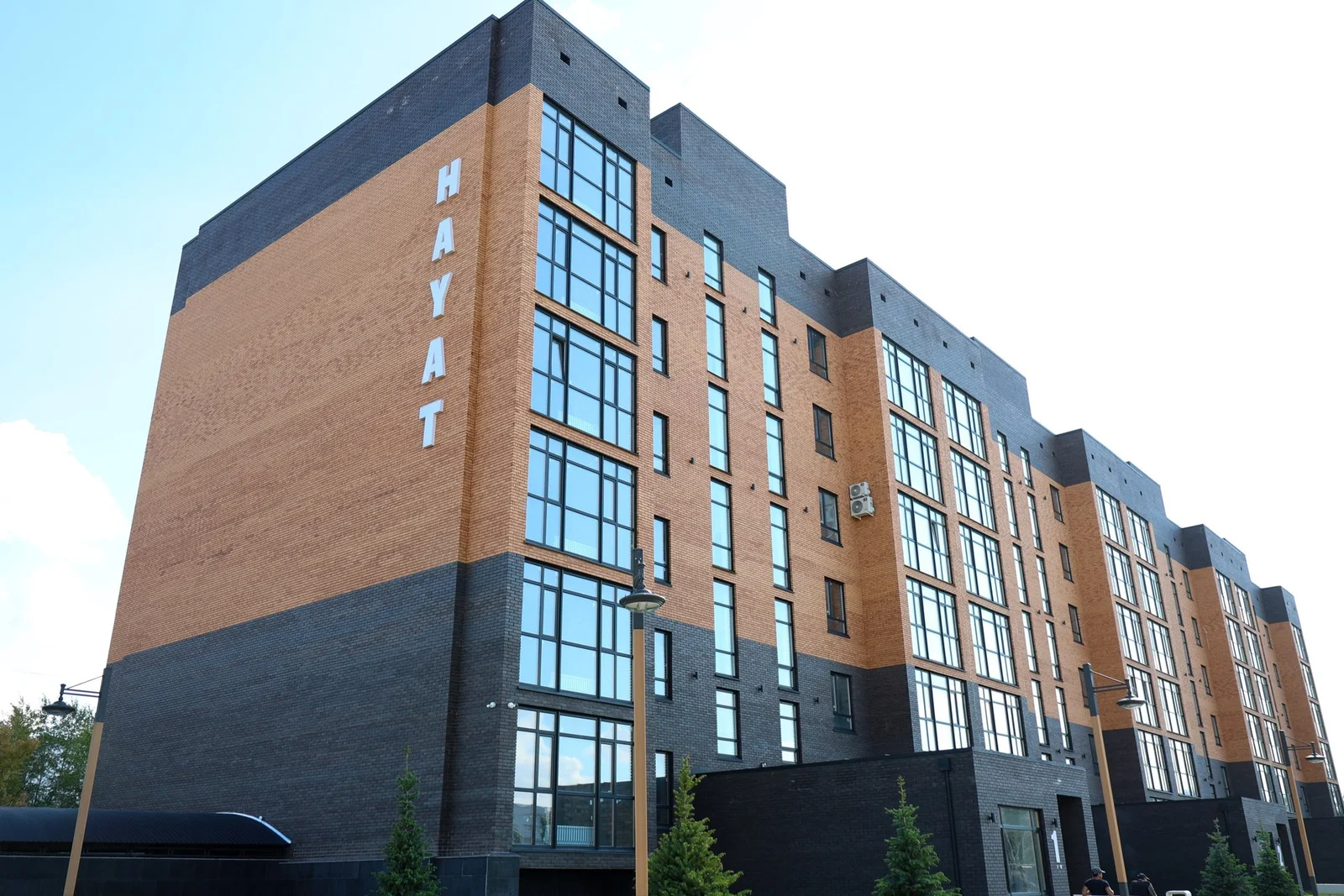
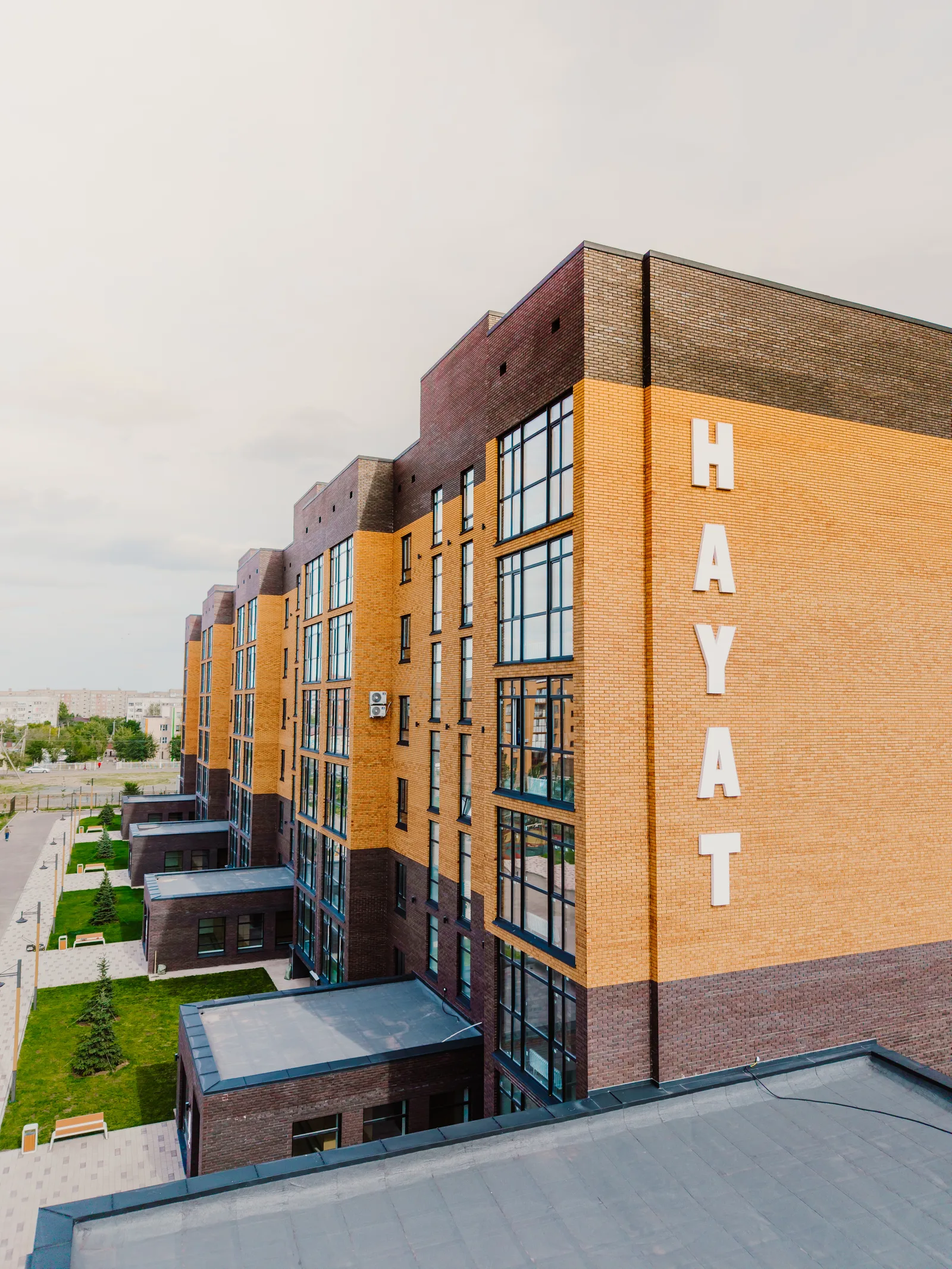
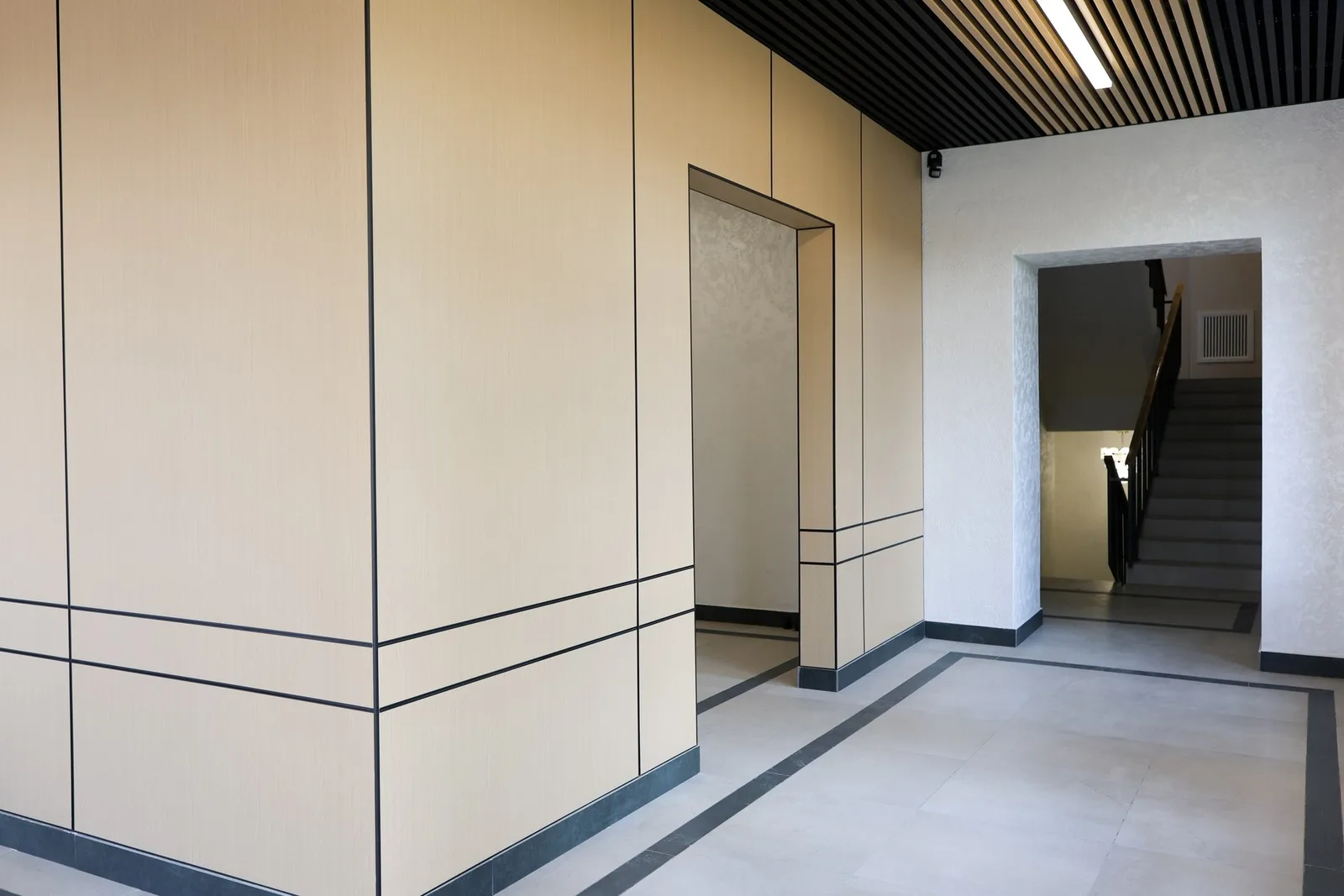
In homes already being occupied, this is checked in five minutes in the lobby. HAYAT Residence is a business-class residential complex in Ekibastuz, 24 Academician Mardenov Boulevard. The building has been commissioned; finished homes are for sale, not a construction pit. IP intercoms work together with video surveillance and smart locks. The developer is Gidroprom LLP. You need to see live panels and the app, not a render.
Smart lock: access without a bunch of keys
A smart lock opens with a card, a code or a phone — the set depends on the model. The value is not the effect, but the control. You see who entered and when. A guest code for relatives, cleaning or delivery is set for an hour and revoked right after the visit. When the resident changes, access is reissued in minutes: no cylinder replacement, no queue for a locksmith, and no key that “still exists somewhere.”
What this gives you every day:
- no keyring that is easy to lose or to copy;
- temporary access without handing over a physical key;
- an event log if you need to know whether the door was opened in your absence;
- a fast change of rights when the apartment is let, sold, or the household changes.
A family code and a guest code are different things. The first lives for months; the second should expire on its own. If the system cannot do that, you are once again handing out “almost a key” to anyone who asks.
The weak point of electronics is power and an app that fails. A proper smart lock keeps a mechanical backup, battery reserve, and warns of a low charge in advance. If the seller cannot explain how to open the door on a dead battery and who reissues access, you are looking at handsome hardware, not a security perimeter. The rule is the same for Ekibastuz, Pavlodar and any other city.
Video surveillance with online access
Cameras without resident access work for the guards, not for you. Look at three things: coverage, archive retention and live access. The minimum perimeter is the entrance, the courtyard, the children’s and sports areas, lobby doors and parking. Underground parking is especially exposed: there are no casual witnesses, yet there is often a lift straight to a residential floor. In that case the lift is not a convenience but an access point into the living zone — and it, too, must be in view.
A car-free courtyard strengthens the cameras; it does not replace them. Less through-traffic makes a stranger easier to notice.
At HAYAT Residence the courtyard is closed to cars, underground parking is linked by lift to the residential floors, and video surveillance is available online. On the grounds — a Romana children’s playground and a sports zone with workout equipment and basketball: these are the points cameras should cover first. It is equally logical to keep the 80 kW EV charging station in frame — a place with equipment must not be a blind spot. Floor-level storage rooms belong to the same perimeter: a storeroom without entry logging is a weak point even in a solid building.
Two more everyday criteria that are rarely asked. First: night lighting in the courtyard. A camera in the dark with no readable picture is décor. Second: the direction of the lenses. A proper system looks at entrances, driveways and playgrounds, not into apartment windows.
How the systems work together
On their own, an IP intercom, a smart lock and cameras are conveniences. Together they are a chain. A guest calls, you see the face, you open the lobby remotely, the courtyard records the path to the door, the apartment lock logs the entry. If a disputed episode occurs, there is a sequence of frames and events — not a single blurred shadow in a dark jacket.
For a family this is routine: let a courier in without leaving the door open; check that a child has arrived; stop handing a spare key to everyone “for five minutes.” For those who let an apartment — a change of access without changing the lock. For the building as a whole — fewer strangers in the lobby.
A compact, few-apartment format is easier to control than a giant high-rise queue — but only if the perimeter is genuinely closed: a gated courtyard, clear entrances, parking without through-traffic. Open-plan layouts and unfinished apartments barely affect security. What does: storage rooms, a lift from parking to a living floor, and who lets a person into the lobby.
Buyer's checklist: questions before the contract
These questions belong in any sales office. Treat “we’ll do it later” and “it’s still in the design” as a refusal.
| System | What to clarify | Be wary if |
|---|---|---|
| IP intercom | Video, the app, who administers access | They promise to replace an analogue handset “a little later” |
| Smart lock | Power backup, log, guest codes | No mechanical opening and no procedure for changing access |
| Cameras | Online access, coverage zones, archive retention | Recording only with security, blind spots at playgrounds and parking |
| Courtyard and parking | Closed perimeter, lift from parking to floor | Through-traffic, cameras “on paper” |
Ask separately who changes access rights when an apartment is sold, and whether the camera archive is long enough to reconstruct an incident not the next day, but a week later. If there is no direct answer to these questions, the system exists in the advertising, not in the building.
Technology does not replace common sense, but it closes the gaps through which strangers and spare keys enter a home. Look at a working perimeter, not the word “smart” in a brochure. If you are choosing finished housing in Ekibastuz, at HAYAT Residence you can verify it on site: six floors, four entrances, 60 apartments of 112–190 m², residents are moving in. On the ground floor — CHEKHOV café with a hall, a play area and a VIP room; across the road, Baiterek Square; nearby, the Өнер City Cultural Centre. Sales office: +7 775 333 30 14, phone and WhatsApp, daily from 9:00 to 20:00. Website — hayat-residence.kz.
Want to see an apartment in person?
The building is complete and occupied. We will show you layouts, floors and the view from the window — choose a convenient time.