August 5, 2026 · 8 min read
Mortgage or Full Payment: How to Choose and What to Ask the Bank
When it pays to close with your own funds, and when a mortgage is the smarter move. A bank checklist and the nuances of buying a finished apartment in Ekibastuz.
How you pay for an apartment is often a habit: the full amount on hand — you pay at once; if not — you go for a loan. That misses the point. Full payment and a mortgage weigh differently on the family reserve, the closing timeline and the home you can ultimately carry. Below is a working framework: how to compare both paths, how to choose a mortgage and what to ask the bank before the deposit. The logic is the same in Ekibastuz as in any other city: first the property and the budget, then the payment instrument.
When full payment truly outperforms a loan
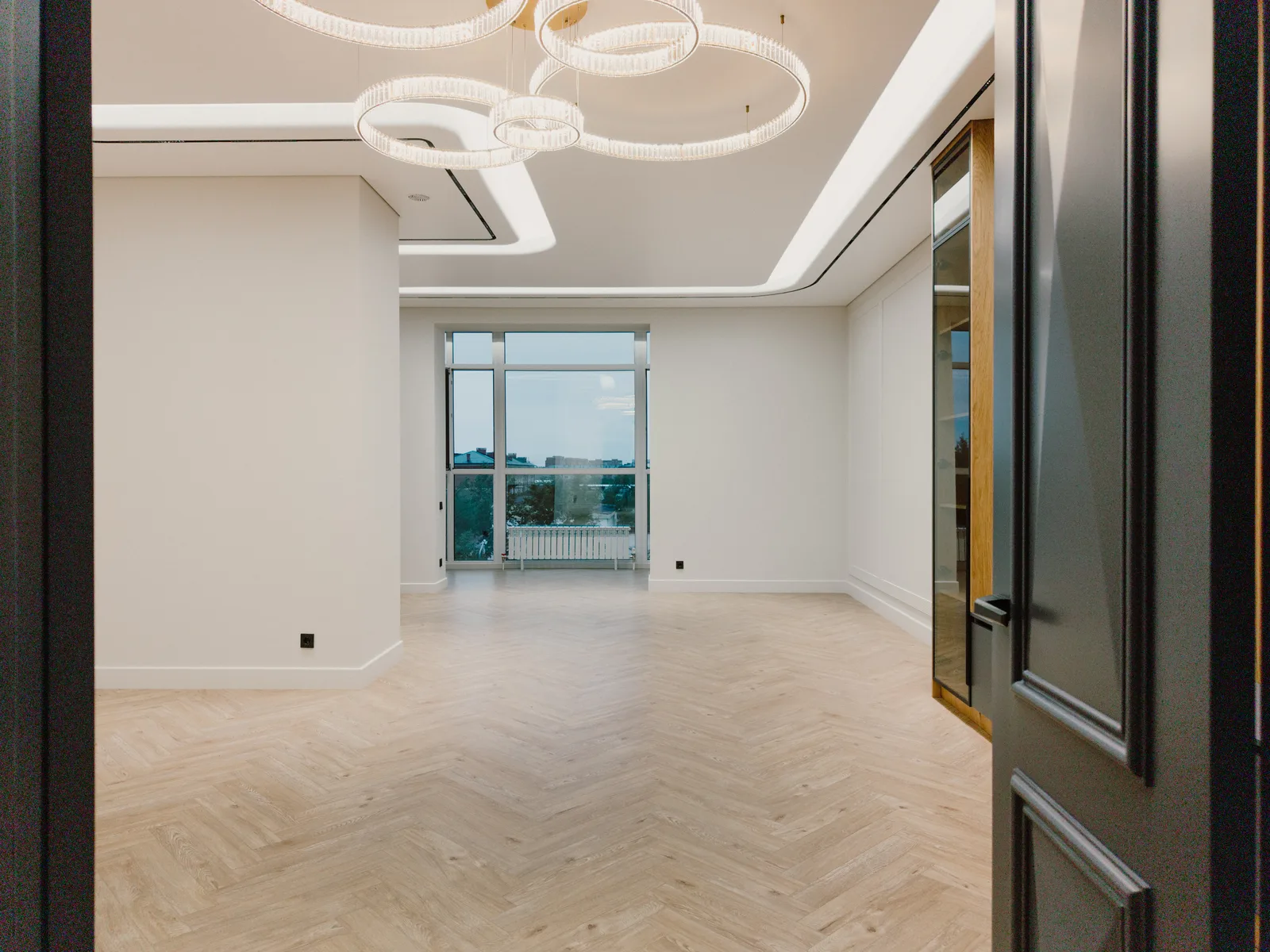
Paying in full makes sense if a living reserve remains after closing: finishing, the move, 6–12 months of ordinary expenses. A completed apartment without interiors is exactly that case — keys are not the same as “ready to live.” Until there is flooring, a kitchen and lighting, money keeps going out.
The advantages of paying in full are concrete, not status:
- a shorter closing: no approval, no property appraisal and no insurance loop;
- fewer third-party payments — appraisal, life and property insurance, origination fees;
- easier to agree contract terms with the developer: the bank does not need to “clear” the wording;
- no risk that the lender declines at the last moment over a certificate, collateral or a co-borrower.
There is one drawback, and it is heavy: a large sum is frozen in the walls for years. If capital is needed a year later, selling a just-purchased apartment is slow, with an agent and a negotiation. Paying in full is a choice for simplicity and quiet, not a “victory over the bank.” If the cushion disappears after closing, the win is imaginary.
Buying an apartment with a mortgage: when a loan is the rational move
Buying an apartment with a mortgage is justified when the monthly payment sits calmly in the budget, and free cash is more valuable as a reserve, for finishing or for work. For an already commissioned building the bank usually reads the collateral more easily: there is an address, the property can be inspected, and there is no construction-timeline story.
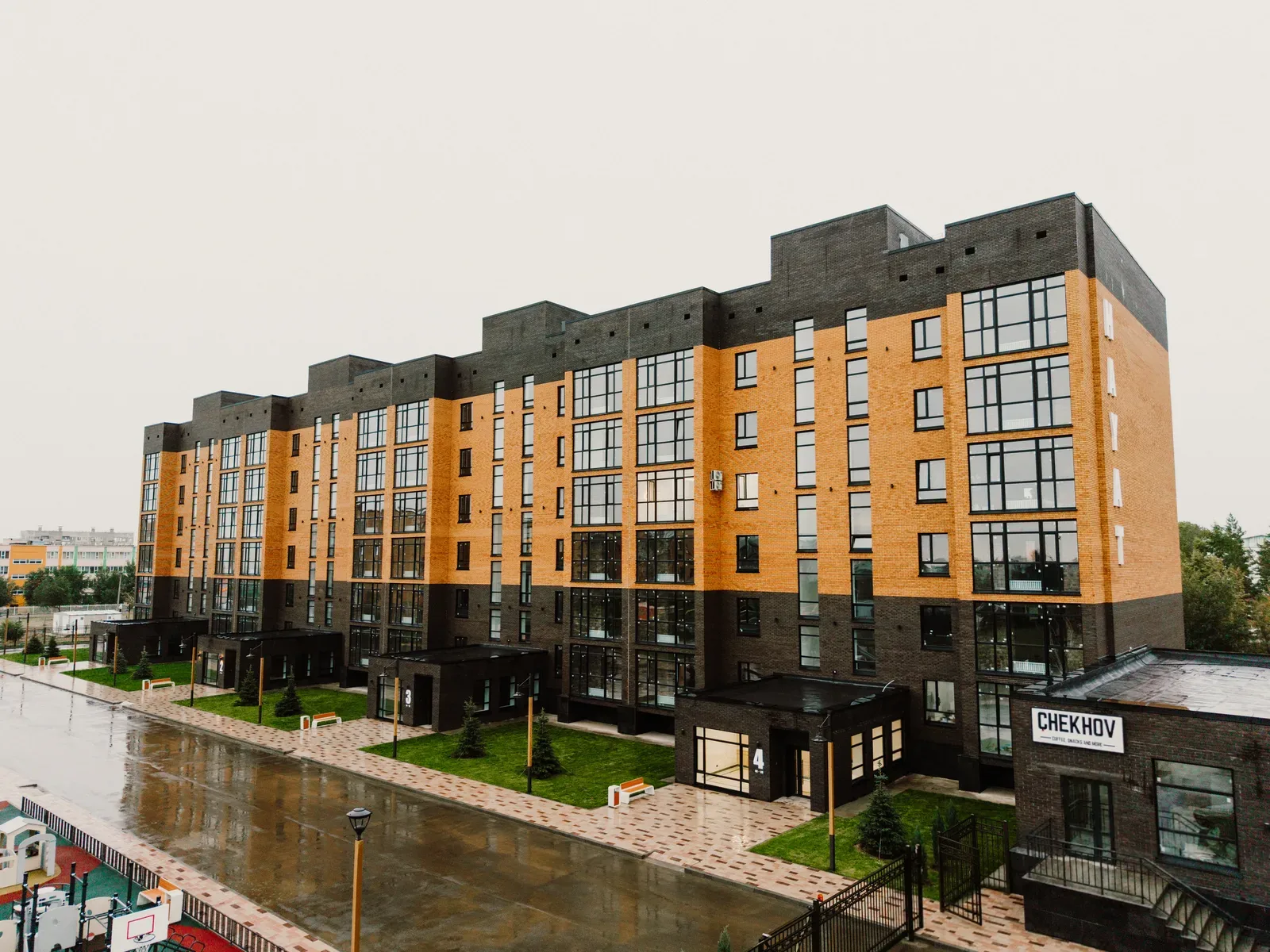
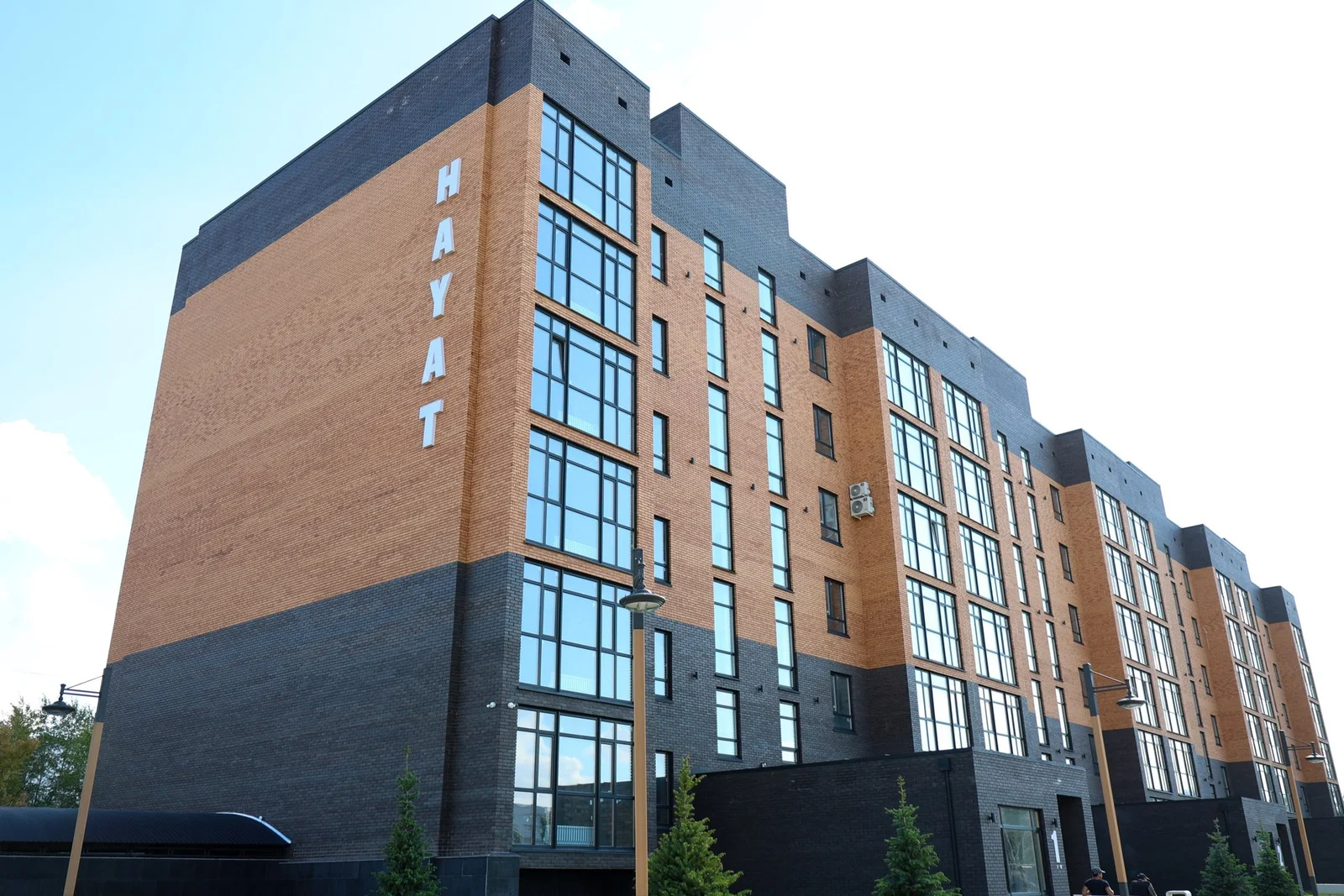
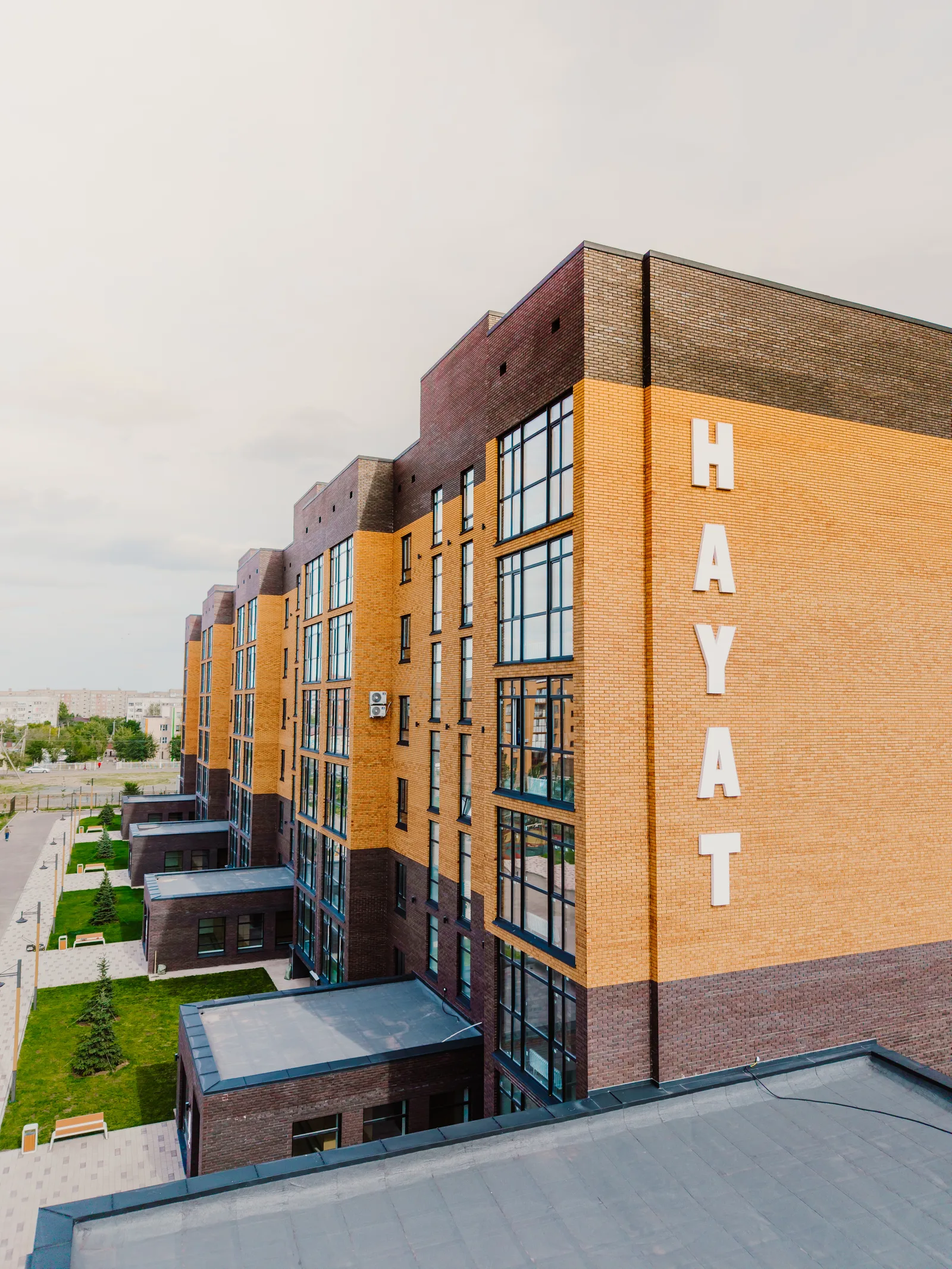
In a smaller city this is especially clear. A mortgage in Ekibastuz more often turns not on “rate magic,” but on how readable the building is. HAYAT Residence at 24 Academician Mardenov Boulevard is an example of completed business-class housing: the building is in operation, residents are moving in, and the developer selling it is Gidroprom LLP. For the lender this is collateral with a fact, not a pit. For the family — you can arrive, go up to the floor and decide whether you can carry the finishing. The same check is needed in any city: first the building, then the loan.
- you keep liquidity for finishing, furniture and unforeseen costs;
- you secure a home now instead of saving for years while paying rent;
- early repayment lets you wind the debt down when a lump sum appears — if that is written in expressly.
A loan is a poor fit if the payment is “tight,” there is no 3–6 month reserve, or you are counting only on a future raise. The bank looks at today’s ability to pay. A promise to yourself that “it will get easier later” does not enter the contract.
How to choose a mortgage: look beyond the advertising
The question “how to choose a mortgage” is almost always reduced to the rate. The rate matters, but overpayment grows from the term, insurance, fees, early-repayment rules and how the bank counts income. A mortgage in Ekibastuz is not physically different from a mortgage in any other city in Kazakhstan: what differs are the properties, the speed of appraisal and the bank’s willingness to look at a completed brick building. The advertising poster does not show that.
Compare not slogans, but four identical calculations — one amount, one term, one down payment. In each, look at:
- the full cost of the loan, not the large-print figure: insurance, appraisal, origination and servicing fees;
- early repayment — whether you can prepay in part without a month’s notice, whether the term or the payment is recalculated, whether there is a moratorium;
- property requirements — completed housing, wall material, parking as part of the collateral or a separate asset;
- income and co-borrowers — which certificates, how individual entrepreneurs are counted, what happens if part of the salary is “grey”;
- insurance — whether life cover is mandatory, whether you may use your own company, what happens on refusal or a job change;
- decision time on the property — for a completed building it is usually shorter than for construction, but that must be heard from the specific lender, not “in general.”
A verbal “we will definitely approve” is worth nothing. Ask for a preliminary calculation and a document list in writing. If the manager cannot explain how the payment will fall after a partial prepayment in a year — that is already an answer.
What to ask the bank: a practical checklist
Ask these questions before you place a deposit with the developer. If there is no answer on paper or in chat, treat it as no answer.
- What is the full cost of the loan at my amount, term and down payment — with insurance and fees, not a “rate from”?
- Can I prepay in part without a notice, a penalty and a moratorium? Is the term or the payment recalculated?
- Which income documents do you accept, and what happens if in a year I change jobs or go on maternity leave?
- Is life insurance mandatory, may I choose the company, and how does the payment change if I decline?
- What are the requirements for a finished apartment: year of commissioning, material, layout alterations, storage room, parking space?
- Who orders the appraisal, how long does it take, and what if the appraisal comes in below the contract price?
- Can a storage room and parking be included in the deal, or does the bank finance only living metres?
- What happens after 1–2 missed payments: penalties, a demand to repay everything, the bank’s right to the collateral?
- Is a co-borrower required, and is that person liable with all assets or only with income?
- How long does the approval remain valid, and what if the developer cannot prepare the package by that date?
Clarify the deal chain separately: deposit, contract, mortgage registration, disbursement. On completed housing it is shorter than on a pit, but “shorter” does not mean “tomorrow.” Build in spare days for appraisal and insurance, or you risk breaking the deadline in the contract with the developer.
What to check in the building itself if you take a loan
The bank looks at collateral. You live in the apartment. Those are different optics. The lender cares about commissioning, walls, liquidity. You care about heating bills, noise, the courtyard and how much more to put in after the keys.
On a completed building the check is short and strict. Is there a commissioning certificate, not a promise. Brick is not “handsome on a render” — it is thermal inertia and acoustics. At HAYAT Residence, for example: six storeys, ochre-yellow clinker, a dark graphite marble plinth, four entrances and 60 apartments — a boutique-scale building, not a thousand-unit mass. Areas of 112–190 m², free-plan layouts, 3 m ceilings, panoramic windows with energy-saving glass. For a mortgage that is a plus for liquidity. For you — an honest finishing budget: apartments are handed over without it, so the renovation estimate must exist before loan approval, not “somehow later.”
Then look at what never enters the collateral report, yet hits monthly costs and nerves:
- storage rooms on the floors — so the corridor does not become a warehouse;
- underground parking with a lift to the living floor — in winter this is not an option, it is time saved;
- an 80 kW charging station, if the family has an electric car or that is on the horizon of the loan;
- a closed courtyard without cars, CCTV with online access, IP intercoms, smart locks;
- a Romana playground, workout and basketball, landscaping — spruces here, not “a lawn someday”;
- a ground floor with a clear life: the CHEKHOV café with a hall, a play area and a VIP room;
- a walkable setting: Baiterek Square across the road, the Өнер City Culture Centre.
Designer lobbies with contemporary finishes do not approve a loan, but they affect how quickly you — or the next buyer — can sell the apartment if the payment becomes heavy. A mortgage is also an exit. A building that is hard to resell makes the loan more dangerous even with a “comfortable” payment.
The same walk is worth taking on any property, not only this one. Brochure photos do not show where the wind blows in the courtyard or how the parking smells. On completed housing you have no excuse of “they will still finish it.”
How to decide in a single evening
Sit down with two figures: how much will remain after a full payment, and what the payment will be on a comfortable loan term. Not a heroic one, but one you can carry through illness, downtime or a drop in income. Then three filters.
| Filter | Full payment | Mortgage |
|---|---|---|
| Cushion after closing | Must cover finishing and 6–12 months of living | Payment + finishing + 3–6 months of reserve |
| Time and nerves | Shorter, fewer parties | Appraisal, insurance, mortgage registration |
| Flexibility | Capital in the walls, exit only through a sale | You can prepay early if it is in the contract |
| The property | Matters in itself | Also matters as collateral: commissioning, walls, liquidity |
If the reserve disappears after a full payment — that is not a purchase, it is a cash-flow gap. If the loan payment eats everything above rent, you are not “investing,” you are placing the family on fixed years of strain. The honest conclusion is often mixed: part your own funds, part the bank, a short term, and the right to prepay without a penalty.
A mortgage or your own money is not a moral choice. It is the arithmetic of reserve, building quality and contract terms. Completed housing removes the main construction risk, but it does not remove the risk of too large a payment and a renovation “to zero.” Run both scenarios on paper, ask the bank the ten questions from the checklist, and only then bring the deposit. If you are looking at finished apartments in Ekibastuz, including HAYAT Residence, sales office: +7 775 333 30 14, phone and WhatsApp, daily from 9:00 to 20:00, website hayat-residence.kz. Even if you buy in another building, the sequence is the same: property, budget, bank — in that order.
Want to see an apartment in person?
The building is complete and occupied. We will show you layouts, floors and the view from the window — choose a convenient time.